In this animation class, students developed projects for the semester. They first created scripts, then storyboards, then began to develop animations. As it turned out, each student took a different path in developing their animation. Two students choose to film action and rotoscope the motion. One student illustrated this frame-by-frame in illustrator and brought it into Adobe AfterEffects to animate. The other student chose to develop the frame-by-frame animations in Photoshop, then output the files and assemble in AfterEffects. Another student chose to develop the character and background in Photoshop and animate directly in AfterEffects and the last student created a movie documenting her printmaking work featured in her Senior Project.
Students acquired a perspective on the amount of time it takes to do frame-by-frame animation and to create animated shorts.
Conrad Criddle: This is a work in progress that will be worked on next semester. The work was rotoscoped and drawn frame-by-frame in Illustrator, then composited in Adobe After Effects.
This story is about a man who is a paralyzed and cannot walk, but experiences dancing for the first time in virtual reality. This short scene is just a beginning of this work.
Peter Madrid: This short was created with rotoscoping and done frame-by-frame in Adobe Photoshop. This is a short excerpt from the entire storyline.
Dominic Hammes: This short was illustrated in Adobe Photoshop and animated in Adobe AfterEffects utilizing the puppet pin tool. Dominic also wanted to incorporate parallax scrolling in the background.
This is a story about a young boy who is born and is led through life by his father. This is the first scene in his journey.
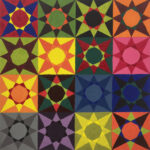
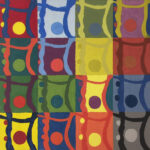
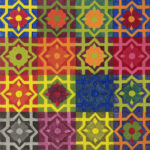
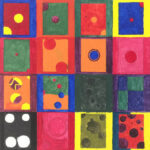
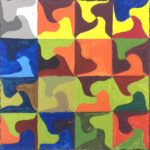
Veronica Ward: This motion graphics piece is a documentary of her printmaking work for her senior show.